
Understanding the pathway
Assess how clearly steps and information are explained.
Impact & data
Connect artisans’ progress, continuity of support and information quality to guide assistance.


CIFTAM places monitoring quality at the heart of its programme. Indicators must be defined before publication, with a clear explanation of what they measure.
People reached, files prepared and funding requests reviewed are different measures. Each indicator needs a scope, period, method and source.
CIFTAM assesses impact through artisans’ and communities’ progress, continuity of support and information quality.
DIMENSIONS OF IMPACT
Assess how clearly steps and information are explained.
Record delays, interruptions and requests for additional information.
Monitor consistency, useful completeness and corrections.
Describe access and participation without reducing people to numbers.
Distinguish an introduction from the provider’s actual decision.
Track receipt, responses and closure of reported issues.
PRIORITIES
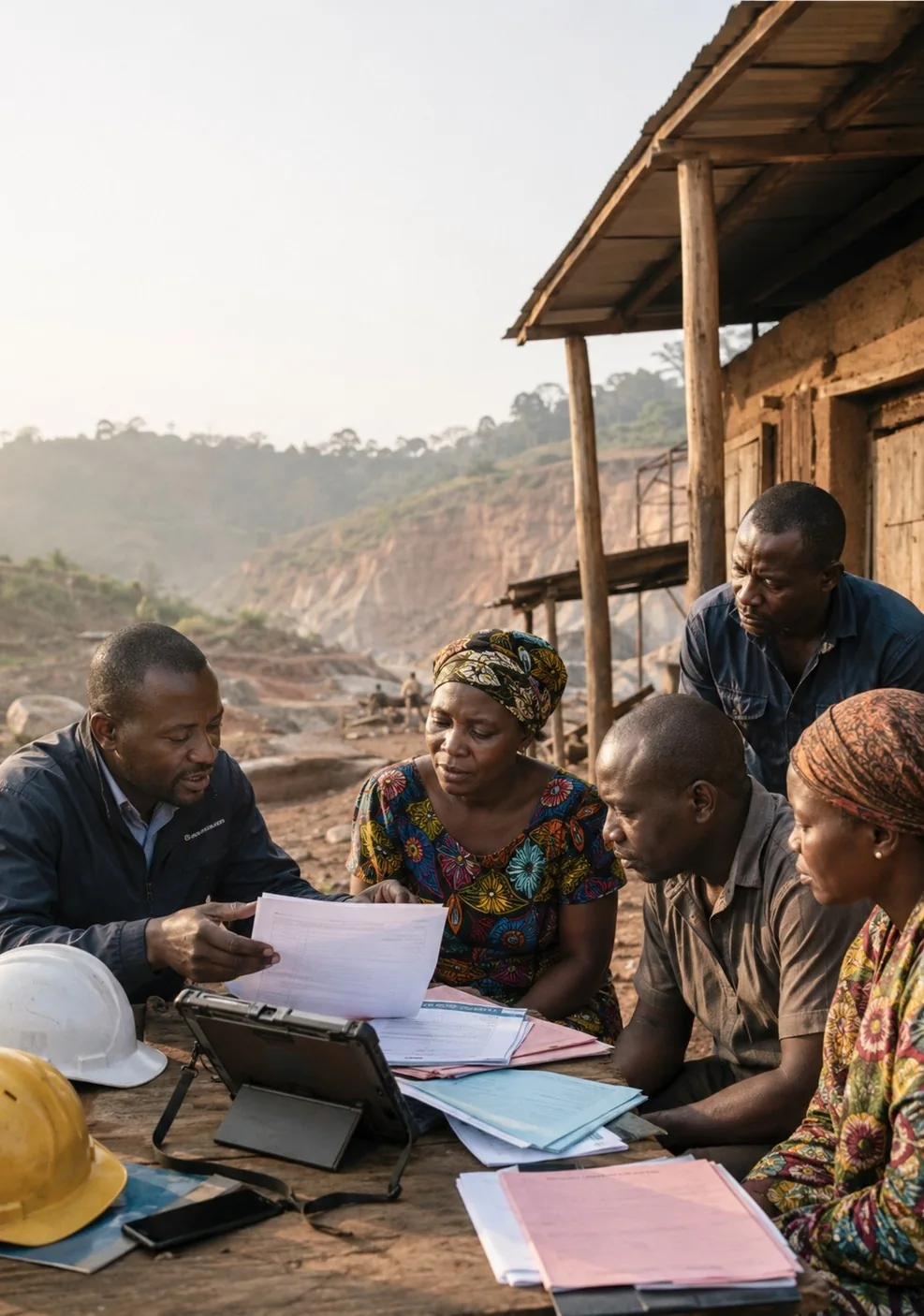
Explain why information is needed and how it will be used.
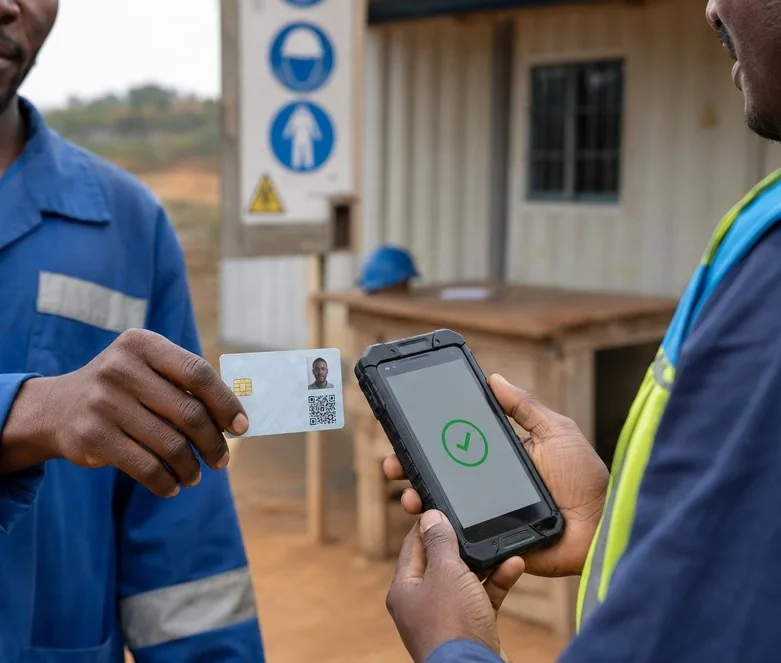
Assign access rights according to responsibilities and actual need.

Document changes, quality and return conditions without publishing individual files.
MONITORING & IMPROVEMENT
Impact measurement connects people’s needs, support activities and lessons for the programme.
Listening to participants, examining difficulties and documenting pathways helps adapt methods and organise interventions.
Evaluation supports learning, informs decisions and focuses efforts on what matters to communities.